How do porta potties work?
The basic setup is simple. A standard unit sits about 44 by 48 inches on the ground and stands roughly 92 inches tall, with the holding tank built into the base and the seat riser bolted above it. There is no water tank feeding the bowl. Instead, the toilet chemical, a blue or green liquid deodorizer, sits in the tank and neutralizes odor while breaking down waste between services. That is the "portable toilet chemicals near me" question people ask: it is not a cleaning product, it is the deodorizer that makes the tank usable for a week or more. Standard porta potty rental covers the full spec if you want the details before you order. Service crews come by on a set interval to pump the tank, restock tissue and refill the chemical, which is why routine service matters as much as the unit itself. Curious how often that happens? How often are porta potties cleaned walks through the typical interval. For anyone comparing what a rental actually costs across job length, porta potty rental cost and porta potty rental per day both break down pricing by duration.
How do flushable porta potties work?
A flushable, or deluxe, unit adds a small onboard freshwater tank and a foot pump or pedal that pushes a rinse of water into the bowl after use, dropping waste into the same sealed holding tank below. It still is not hooked to a sewer line. It just gives users something closer to a household flush. These units also tend to include a sink basin fed by the same freshwater reservoir, which answers the "how does portable sink work" question too: a hand pump or foot pedal draws water from an onboard tank, runs it over your hands, and the greywater drains into a separate small holding tank underneath. That is the same principle behind a stand-alone handwashing station rental or a portable sink rental, just built into the toilet unit instead of a separate cart. Deluxe units cost more than standard ones because of the added plumbing, and deluxe flushable porta potty has the full rundown on when that upgrade makes sense, whether it is a wedding on the Santa Monica Pier or a longer film shoot where guests expect something nicer than a basic unit.
Why do construction sites need porta potties?
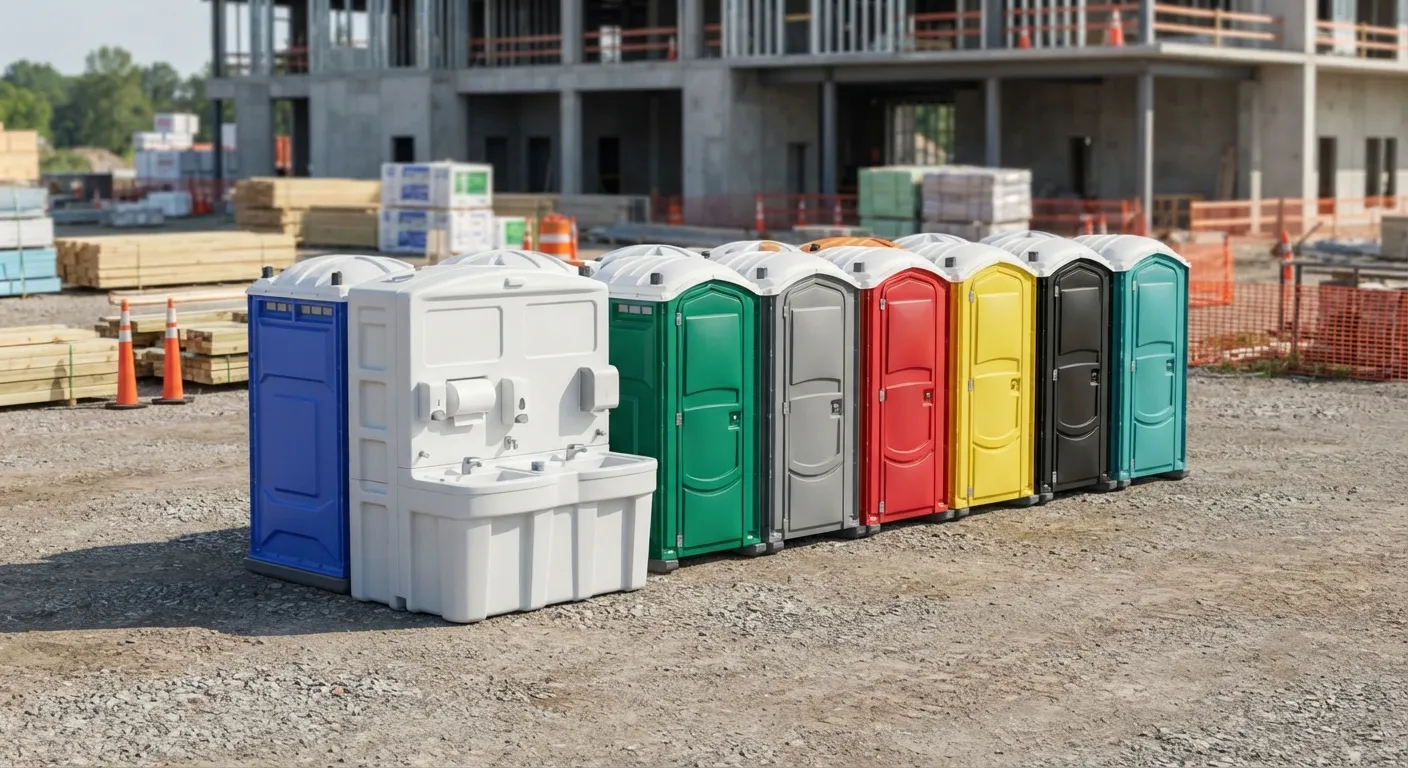
OSHA 1926.51(c)(1) sets the ratio: one toilet for 20 workers or fewer, then one toilet and one urinal per 40 workers once the crew passes 20, scaling to one per 50 once you hit 200 workers. That is the rule a foreman in Santa Monica has to plan around before pouring a slab or framing a building. A construction worker running to a porta-potty at lunch is not optional planning, it is a legal minimum, and undercounting units slows a crew down fast. OSHA portable toilet requirements covers the ratio in more depth, and how many porta potties do I need turns it into a quick worker-count calculator. Sites also need potable water under OSHA 1926.51(a)(1), which is separate from toilet counts but often gets ordered together. If the job involves paint, coatings or pesticide work, OSHA 1926.51(f)(1) requires washing facilities specifically for that contaminant exposure, which is a different trigger than general sanitation. Construction site services bundles toilets, fencing and dumpsters for active job sites, and temporary fence rental is worth pairing with any perimeter that needs securing.
How do camping porta potties work?
Camping units run the same core mechanism, a sealed holding tank and chemical deodorizer, just sized smaller and built for portability rather than high-traffic daily use. For an organized campground or outdoor event near Santa Monica, a rented standard unit still beats a personal camping toilet because it gets serviced on schedule instead of requiring the camper to empty it. Camping porta potty covers rental options for that use case, and if the event draws a crowd, event restroom rental or festival restroom rental scale the unit count up. ADA Standards section 213.2 requires that at least 5 percent of clustered single-user units be wheelchair accessible, never fewer than one, so any larger event booking should include at least one ADA unit per the standard. ADA accessible porta potty has the specs, including the 60 inch turning circle required under ADA Standards 304.3.1. Placement also matters. City right-of-way rules for Santa Monica are not something we list here without confirming them with the city first, so check porta potty permit requirements before setting a unit on a public sidewalk or street.
How often does a porta potty get pumped?
Most rentals run on a weekly service visit under the ANSI/PSAI Z4.3 baseline, built around 10 users over a 40 hour week. Busier sites need more frequent pumping. A septic tank at a home, by comparison, typically gets pumped every 3 to 5 years depending on tank size and household size, a much longer cycle than a rented unit sees.
Do porta potties smell?
Some odor is normal, especially in heat, but the blue chemical deodorizer is designed to control it between services. Regular pumping matters more than the chemical itself. Units serviced weekly under the Z4.3 standard smell far less than ones left too long between visits. Do porta potties smell covers ventilation tips too.
Can I get a porta potty delivered same day in Santa Monica?
Availability depends on the day and unit type, but standard units often move faster than trailers. Emergency porta potty rental covers rush delivery options, and request a quote is the fastest way to check what is open today.
What is the difference between a porta potty and a restroom trailer?
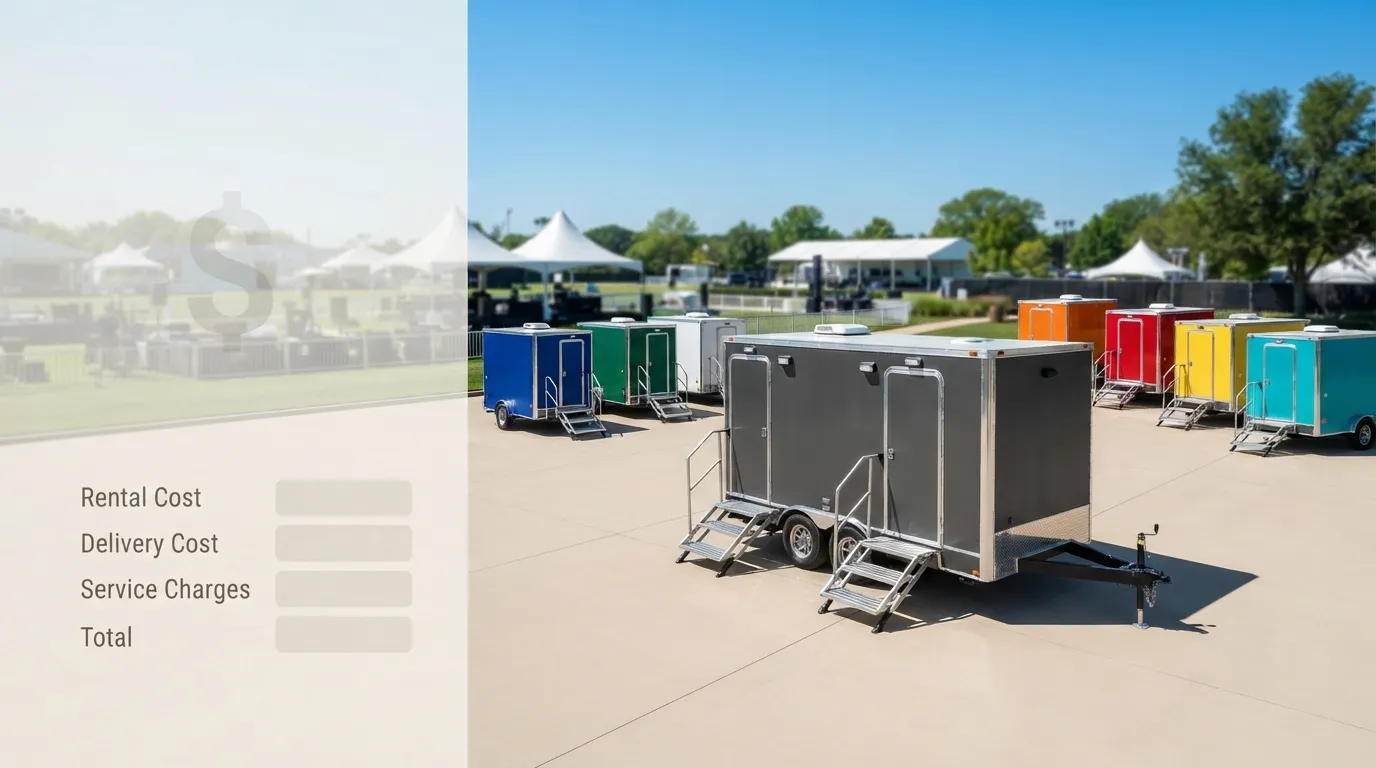
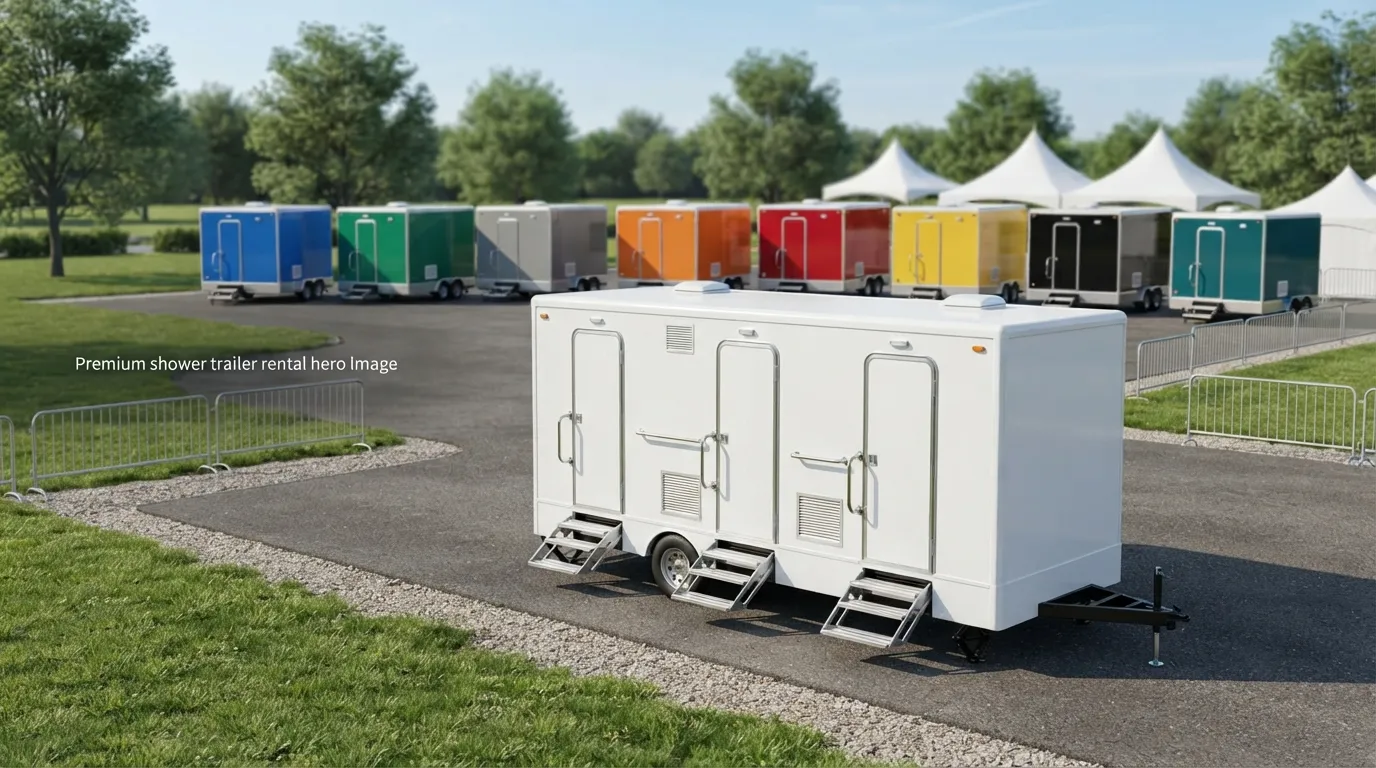
A porta potty is self-contained with a holding tank and no running water beyond a flush unit's small reservoir. A restroom trailer has multiple stalls, real plumbing and often climate control. Restroom trailer rental and 2 stall restroom trailer show the step up.
Do I need handwashing stations with porta potty rentals?
Under 29 CFR 1910.141(d)(2), washing facilities need soap and towels or a hand-drying device, not just sanitizer. Pairing a handwashing station rental with your toilets covers that requirement on most job sites and events around Santa Monica.
Next step
Get a delivery date
Tell us the address, the dates and the headcount. We size the order and confirm the route.